List of Countries with the Most and Most Frequent Earthquakes in the World
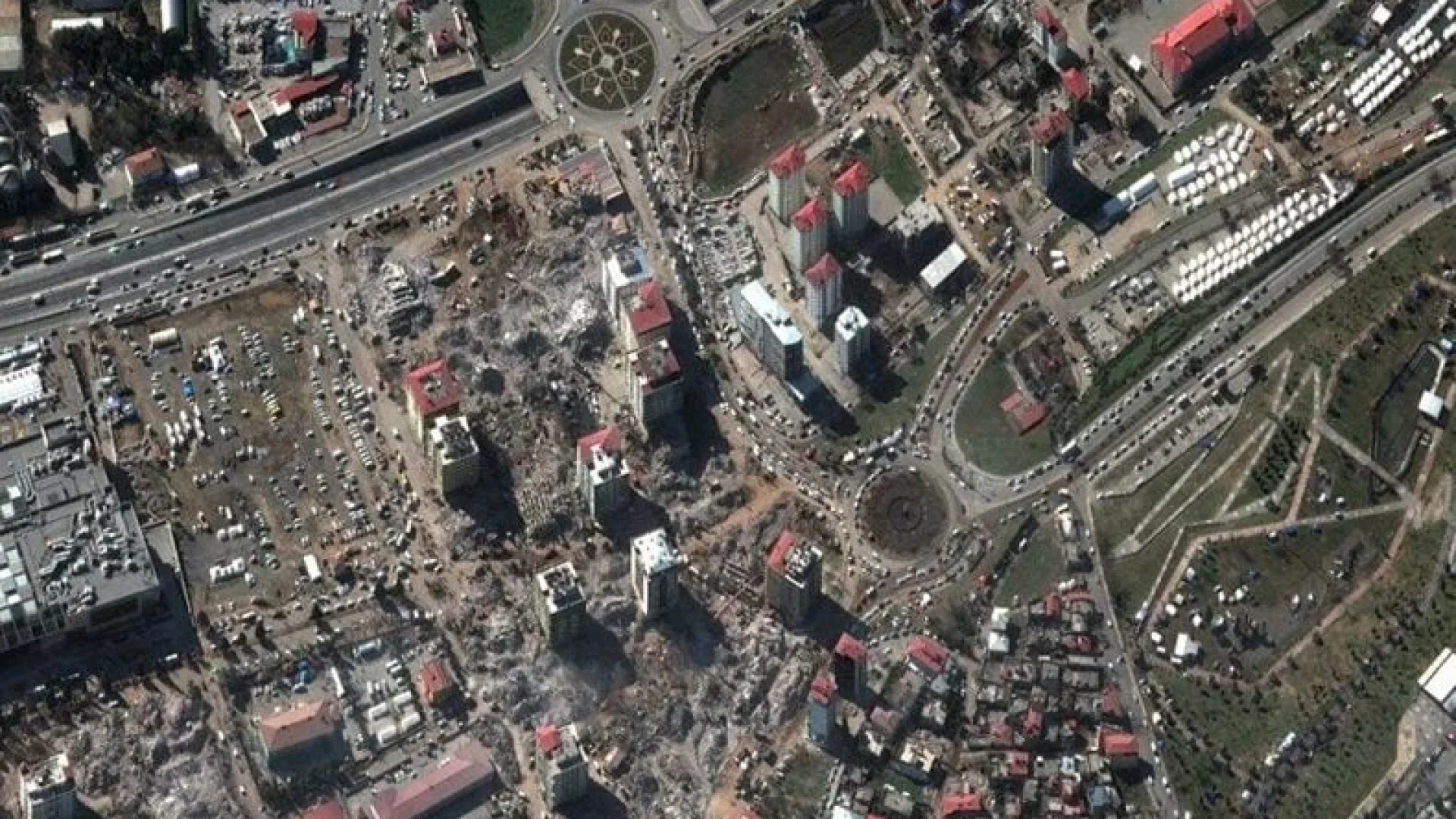
The Earth, in addition to being a planet full of natural events, particularly draws attention due to earthquakes. These tremors occur as a result of the dynamic structure of the Earth and affect the history, culture, and way of life of many countries. Earthquakes hold significant importance not only for their physical consequences but also for their social and economic impacts. Therefore, understanding countries that carry earthquake risk is of great importance for both individuals and governments.
In this article, we will introduce the countries with the most and the most frequent earthquakes worldwide, addressing their earthquake history and risk factors. We will also provide information about the frequency and magnitude of earthquakes.
Earthquakes generally occur as a result of the movements of tectonic plates. The collision, separation, or sliding of these plates can lead to significant tremors on the Earth's surface. Particularly in the region known as the Pacific Ring of Fire, the frequency of earthquakes is quite high. Countries located in this area frequently face major earthquakes.
Earthquake Frequency and Magnitude
The earthquake risk of a country depends on the geological structure of that region. For example, countries like Japan, China, and Indonesia frequently experience large earthquakes, which pose a constant threat to the people in these countries. Additionally, tsunamis and other natural disasters that occur after earthquakes further complicate life in these regions.
Preparation Before and After Earthquakes
The inevitability of earthquakes necessitates that countries be prepared for these natural disasters. Disaster management, early warning systems, and raising public awareness play significant roles in mitigating the effects of earthquakes. Therefore, in this article, we will not only discuss countries that experience earthquakes but also the preparedness and safety measures in these countries.
With this comprehensive review, we aim to better understand the situation of countries at risk of earthquakes worldwide and to raise awareness on this issue.
Countries with High Earthquake Risk and Their Causes
Earthquakes are among the most destructive natural disasters worldwide, and some countries are at greater risk due to their geographical location and tectonic plate movements. Countries with high earthquake risk are typically located in regions with active fault lines surrounding them. Notable countries among these include Japan, Indonesia, Turkey, the USA, and Iran. The frequency and magnitude of earthquakes in these countries are directly related to underground tectonic movements.
Japan is located on the Pacific Ring of Fire and is therefore constantly exposed to seismic activity. The Tōhoku earthquake that occurred in 2011 was recorded as one of the strongest earthquakes in history, with a magnitude of 9.0. Such large earthquakes not only cause loss of life and property but can also lead to tsunamis.
Another risky country, Indonesia, is home to over 17,000 islands and has numerous active volcanoes and fault lines. This makes it one of the most seismically active regions in the world. The country's situation poses serious challenges for disaster management and preparedness due to the frequent occurrence of earthquakes.
Turkey is situated on important fault lines such as the North Anatolian Fault and the East Anatolian Fault, resulting in frequent earthquakes. The 1999 İzmit earthquake, in particular, highlighted how unprepared Turkey was for such disasters. In these high-risk areas, the earthquake resistance of structures should be improved, and public awareness must be raised.
In conclusion, countries with high earthquake risk are constantly under threat from natural disasters. Therefore, the governments and people of these countries must take steps to enhance earthquake preparedness and awareness. Efforts to mitigate the effects of earthquakes will minimize loss of life and property in the long term.
The Most Active Fault Lines in the World and Their Effects
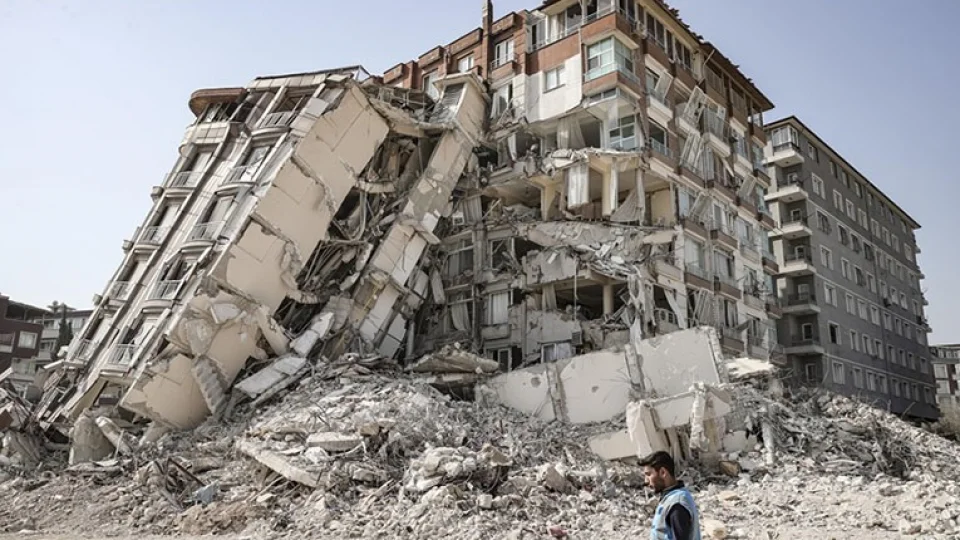
Earthquakes on the planet occur as a result of the movements of fault lines on the Earth's surface. These fault lines are shaped by the movements of tectonic plates in the Earth's crust and become intensely active in certain regions. In particular, the area known as the Pacific Ring of Fire is one of the places where the most earthquakes occur globally. This region includes countries such as Japan, Indonesia, New Zealand, and the west coasts of South America. These countries are at significant risk of experiencing large earthquakes in terms of both frequency and intensity.
Among the most active fault lines in the world are examples such as the San Andreas Fault (USA), Hayward Fault (USA), and North Anatolian Fault (Turkey). These fault lines not only manifest their effects through earthquakes but also through various deformations and landslides on the Earth's surface. The presence of active fault lines poses a serious threat to communities living in these areas and necessitates preparedness.
Earthquakes not only cause physical damage but also leave deep impacts socially and economically. In regions where earthquakes occur frequently, it is essential to raise construction standards, develop emergency plans, and increase public awareness. Such measures are critical for reducing both loss of life and minimizing economic losses. Countries are turning to international collaborations and research to enhance their resilience against earthquakes, thereby striving to develop more effective strategies.
Earthquake Trends: Countries with Frequent Occurrences
Earthquakes around the world are natural events caused by movements in the Earth's crust. These events occur more frequently and violently in certain regions. Earthquakes have historically led to significant loss of life and property, especially in countries such as China, Japan, Indonesia, and Turkey. These countries are located in areas where tectonic plates frequently interact, which increases the frequency of earthquakes.
When examining earthquake trends, it is evident that the plate boundaries on the ocean floor are among the areas with the highest concentration of earthquakes. Therefore, the region known as the Pacific Ring of Fire is one of the most active seismic areas in the world. This area extends from Japan to many countries in Southeast Asia.
Moreover, the governments of countries at earthquake risk are taking various measures to mitigate the effects of these natural events. Earthquake monitoring systems, building regulations, and emergency planning are among these measures. Particularly in regions where earthquakes occur frequently, raising public awareness and preparedness is of great importance. Such measures play a critical role in protecting human life and minimizing economic losses.
For more information about earthquakes worldwide, you can visit the Earthqua website. This site offers both current earthquake information and detailed analyses of earthquake trends.
Earthquake Safety: Precautions to Take in Risky Areas
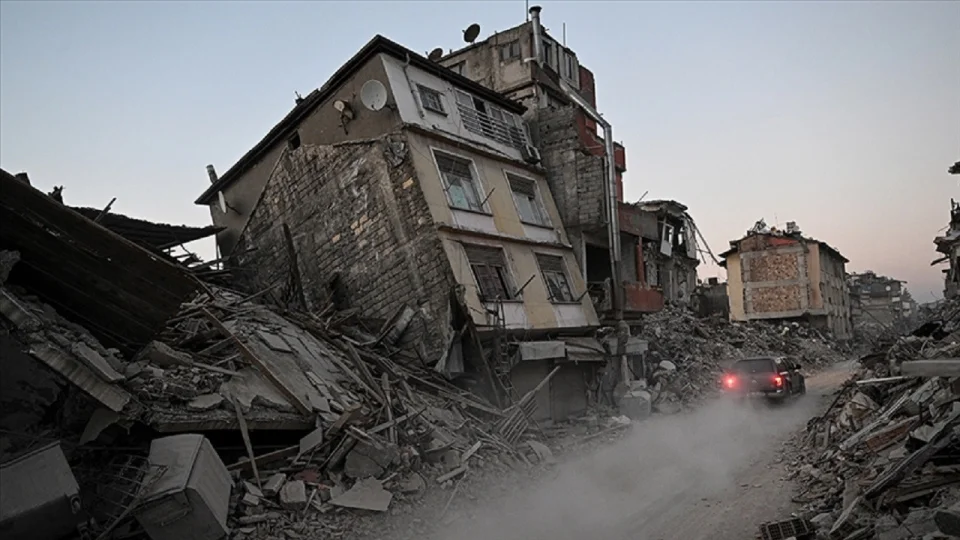
Earthquake safety is a vital issue for people living in regions where earthquakes are common. Since earthquakes can cause significant damage and lead to loss of life, it is extremely important for those living in risky areas to be prepared in advance. The measures taken during and after an earthquake can help increase the safety of both individuals and communities.
- Make your homes earthquake-resistant. You can enhance the structural integrity by carrying out reinforcement work.
- Prepare an emergency kit. This kit should include food, water, first aid supplies, and necessary medications.
- Conduct earthquake drills. These drills with family members will help you learn how to act during an earthquake.
- Securely arrange items in your home. Keeping heavy items on lower shelves and anchoring furniture to the wall reduces the risk of falling.
Earthquake safety is not only the responsibility of individuals but also of governments. Local authorities should develop appropriate infrastructure against earthquake risks and take necessary measures to ensure public areas are safe. Additionally, organizing educational programs to raise social awareness will increase the number of informed individuals about earthquakes.
Finally, the importance of sharing information regarding earthquake safety is significant. Raising awareness in the community will be a step that enhances everyone's safety. Remember that being prepared is always the best defense.
Global Earthquake Statistics and Analyses
Earthquakes around the world are among the most devastating natural disasters. Every year, hundreds, if not thousands, of earthquakes occur, and some of these result in significant loss of life and property. The frequency and magnitude of earthquakes vary across specific geographical regions. For example, the area known as the Pacific Ring of Fire is one of the most active earthquake zones on the planet. This region includes countries such as Japan, Indonesia, New Zealand, and the United States, and is often associated with major earthquakes.
Important Information: According to research conducted in 2021, Turkey, Iran, Japan, and Indonesia are among the countries that experience the most frequent earthquakes. Earthquakes in these countries often occur at high magnitudes, which can significantly affect the living standards of the local population.
There are many factors that influence the frequency of earthquakes. Among these, the movements of tectonic plates in the Earth's crust are one of the most significant elements. For example, the formation of the Himalayas occurred as a result of the collision between the Indian and Eurasian plates, and this area is frequently shaken by earthquakes. Additionally, the magnitude of earthquakes varies depending on the depth of the earth and the characteristics of fault lines.
Statistics: Approximately 20,000 earthquakes are recorded worldwide each year. Most of these earthquakes pass without having a significant impact on people. However, some major earthquakes can lead to the loss of thousands of lives. For example, the 2010 Haiti earthquake resulted in the deaths of over 200,000 people.