Countries and Regions with No Earthquakes and the Least Earthquakes in the World
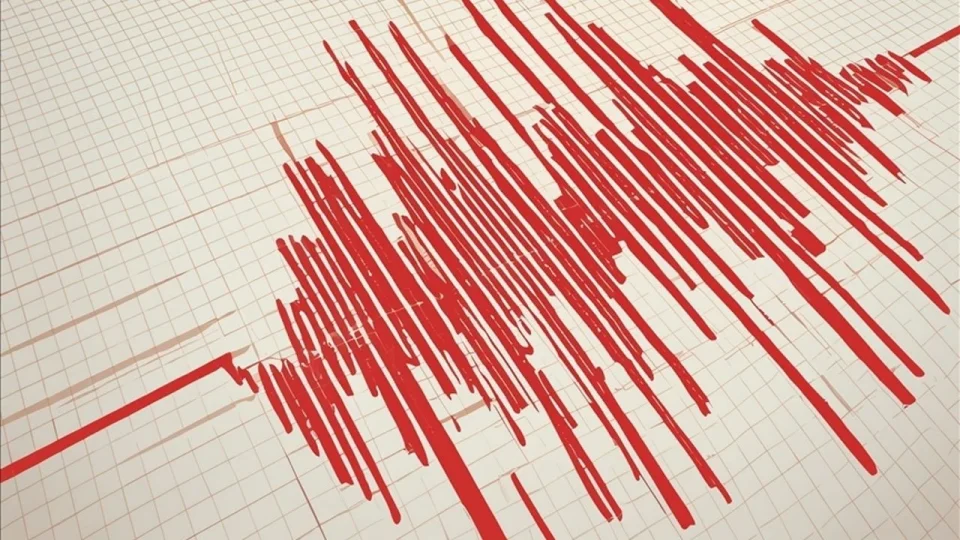
One of the most feared natural disasters worldwide is earthquakes, which threaten people's lives and properties. However, some countries and regions are quite far from the danger of earthquakes due to their geographical locations and underground structures. In this article, we will provide detailed information about the countries and regions with the least earthquakes in the world. The fact that these areas carry less risk of natural disasters and can maintain a peaceful life has become an important topic for many people.
Earthquake hazard relates to the frequency and intensity of seismic activity in a region. Some areas experience frequent earthquakes because they are located near fault lines in the Earth's crust, while others remain free from such dangers. This situation is crucial for both human health and economic stability.
Regions with low earthquake risk are typically places where the Earth's crust is more stable, tectonic plate movements are minimal, or such activities have historically occurred very rarely. For example, some countries in the Middle East and North Africa carry less risk in terms of earthquakes, and certain regions of Australia are also among these safe areas. In this article, we will examine these regions that are among the countries with the least earthquakes and explain their characteristics.
Countries Without Earthquakes
Many people are in search of a safe living environment. In this context, regions with low earthquake risk offer attractive options for both settlement and vacation. These areas are of great importance for those who want to lead a peaceful life and stay away from natural disasters.
Regions with the Least Earthquakes
In this article, we will explore the regions that experience the least earthquakes in the world and discuss the advantages these areas offer in detail. Discovering safe areas away from earthquakes will contribute to individuals and families maintaining a peaceful life.
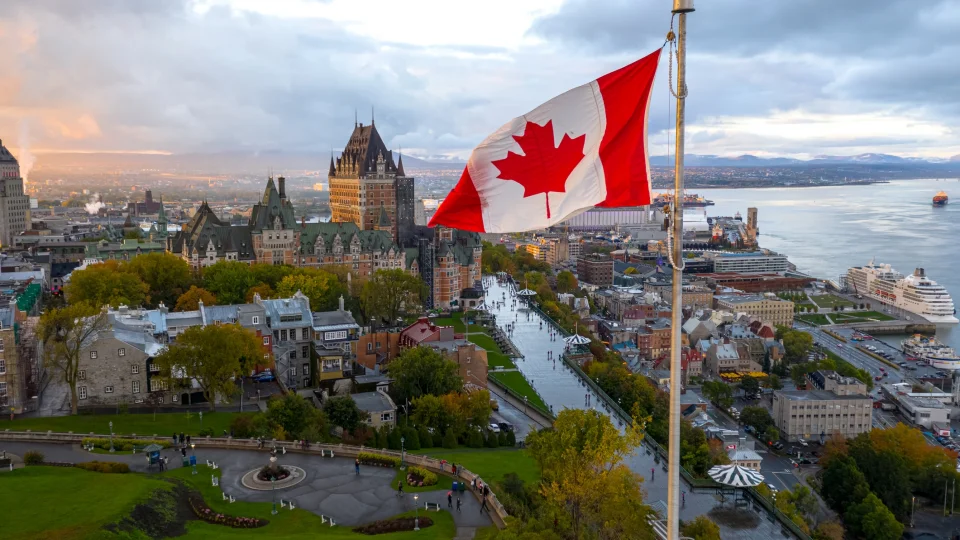
Countries with Low Earthquake Risk
The risk of earthquakes worldwide is directly related to the movements of tectonic plates beneath the Earth's surface. However, some countries and regions are quite far from the threat of earthquakes due to their geographical locations and geological structures. In this article, we will examine countries and regions with low earthquake risk. These places stand out for their natural beauty and tranquil lifestyles.
1. Malawi: Located in Southeast Africa, Malawi is a geologically stable region. There is no significant earthquake risk throughout the country. Additionally, the natural beauty around Lake Malawi attracts tourists.
Another example is Finland. This country, situated in Northern Europe, is one of the regions with the lowest earthquake risk in the world. Finland's underground structure is largely composed of granite and other hard rocks, which reduces the likelihood of earthquakes. Furthermore, it is noted for its clean nature and high living standards.
2. Qatar: Located in the Middle East, Qatar has a predominantly desert climate and a very low earthquake risk. This situation provides a significant advantage for the country in terms of infrastructure projects and development.
Finally, South Africa is also among the countries with low earthquake risk. While some areas in the western part of the country are not affected by seismic activity, large earthquakes generally do not occur. This situation positively impacts the country's tourism sector as well.
These countries not only offer a safe living environment but also provide unique experiences for their visitors. If you are looking to live or vacation in a place with low earthquake risk, you might consider these regions.
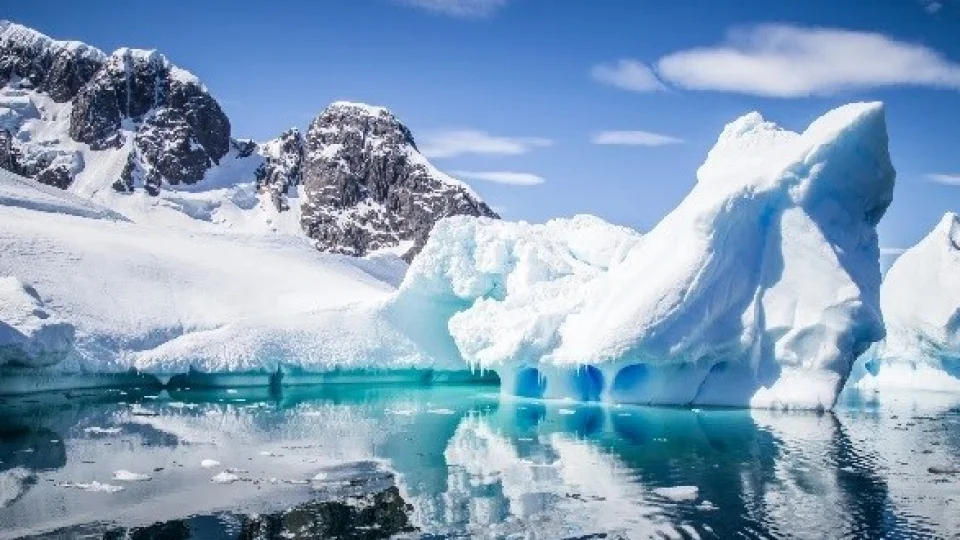
Where Are the Safest Areas?
Earthquakes around the world are natural events that result from seismic activities occurring on the Earth's surface. However, some regions are less affected by these tremors due to their geographical locations and underground structures. In this article, we will explore the areas and countries with the lowest earthquake risk.
- Qatar: Located in the Middle East, Qatar is known for having almost zero earthquake risk. This is due to the country's structural characteristics and its safe position in terms of seismic activity.
- Malta: Situated in the Mediterranean, Malta is one of the countries with the lowest earthquake risk because it is far from volcanic and seismic activities.
- Antarctica: The coldest and least populated continent in the world, Antarctica is also quite safe in terms of seismic activity. This region is unaffected by earthquakes due to its vast ice cover and terrestrial structure.
In addition, some regions also stand out for their low earthquake risk. For example, the Scandinavian countries in Northern Europe, particularly Norway and Sweden, are highlighted as very safe areas in terms of seismic activity. Earthquakes are quite rare in these regions, which is due to the stability of the underground geological structure.
- Sweden
- Finland
- Some regions of Canada
In conclusion, some regions of the world have minimized earthquake risk due to their geographical advantages. This situation not only enhances the quality of life but also provides a safer environment for people. If you are looking for a place away from earthquake hazards, the countries and regions mentioned above offer excellent options.
Characteristics of Earthquake-Free Countries
Earthquakes are among the most destructive natural disasters worldwide. However, some countries and regions are largely protected from these disasters due to their geological structures and geographical locations. Countries with a low risk of earthquakes are typically located in areas where the Earth's crust is more stable. Therefore, people living in such regions are less threatened compared to other areas.
- Geological Stability: Countries with a low risk of earthquakes generally have areas that are geologically more stable and far from active fault lines. For example, countries like Canada and Finland are known for such stable structures.
- Geographical Location: Regions that are far from the equator tend to be areas where earthquakes are less common. Northern European countries enjoy such a geographical advantage.
- Climate and Natural Conditions: In areas with a low risk of earthquakes, climate conditions are usually milder. This offers significant advantages in terms of agricultural activities and quality of life.
Countries that experience little to no earthquakes also have certain socio-economic advantages. In these regions, construction costs are generally more reasonable due to lower requirements related to earthquake safety standards. Additionally, these countries have to allocate fewer resources to develop preparedness and response mechanisms for natural disasters.
In conclusion, living in countries with a low likelihood of being affected by earthquakes provides people with a safer and more peaceful environment. However, this does not mean that natural disasters are completely absent in these regions. Climate change, floods, and other natural threats should also be taken into consideration in these areas.
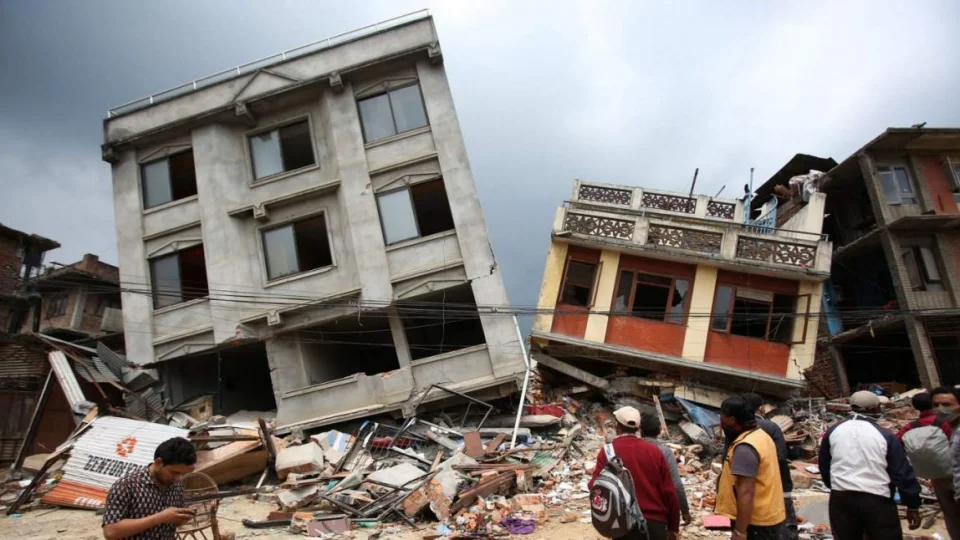
Methods of Protection Against Earthquake Hazards
The earthquake hazard around the world is directly related to geographical location and underground structures. However, some countries and regions are luckier in terms of natural disasters, and the earthquake risk in these areas is quite low. In particular, regions such as Montenegro, the Maldives, and the Bahamas are known for their low seismic activity. Such places offer a safer living environment for both locals and tourists.
Montenegro is influenced by a Mediterranean climate and is notable for its high mountainous areas and coastlines. Seismic activities occurring in the interior of the country are quite rare. Therefore, Montenegro is a preferred destination due to its natural beauty and low earthquake risk.
The Maldives is a country made up of islands located over the ocean. In addition to having a low earthquake risk, the Maldives offers visitors a peaceful holiday experience with its tropical climate and white sandy beaches. Similarly, the Bahamas is known as a region with low seismic risk, providing a safe living environment for both locals and vacationers due to these characteristics.
One of the most effective ways to protect against earthquake hazards in these regions is to ensure that buildings are constructed according to solid construction standards. Additionally, it is important for local governments and states to organize educational programs to raise earthquake awareness. This way, both residents and visitors become better prepared for a potential natural disaster.
Global Earthquake Statistics
Earthquakes around the world are considered one of the most destructive natural disasters. However, some regions have a lower risk of earthquakes due to their geological structures and locations. When examining earthquake statistics worldwide, it can be observed that certain countries and regions experience significantly fewer tremors compared to others. This situation may be an important criterion for individuals seeking a peaceful living environment.
Among the countries with the lowest earthquake risk, Northern European countries are often highlighted. For example, countries like Sweden, Norway, and Finland are known for their low seismic activity. The earthquakes that occur in these countries generally have very low magnitudes and do not have a significant impact on the population.
Additionally, some islands and remote areas also carry a low risk of earthquakes. Mediterranean countries like Montenegro and Malta experience fewer earthquakes due to their geological structures. When examining earthquake statistics, the frequency and magnitude of earthquakes in these regions are considerably lower compared to other parts of the world. Remote and isolated areas provide a peaceful living environment by minimizing the effects of ground movements.
In conclusion, regions that do not carry an earthquake risk or experience very few earthquakes offer significant opportunities in terms of both quality of life and safety. Therefore, especially when choosing a place to live, considering earthquake statistics will be a conscious choice.