What is an Earthquake Early Warning System? How Does It Work?
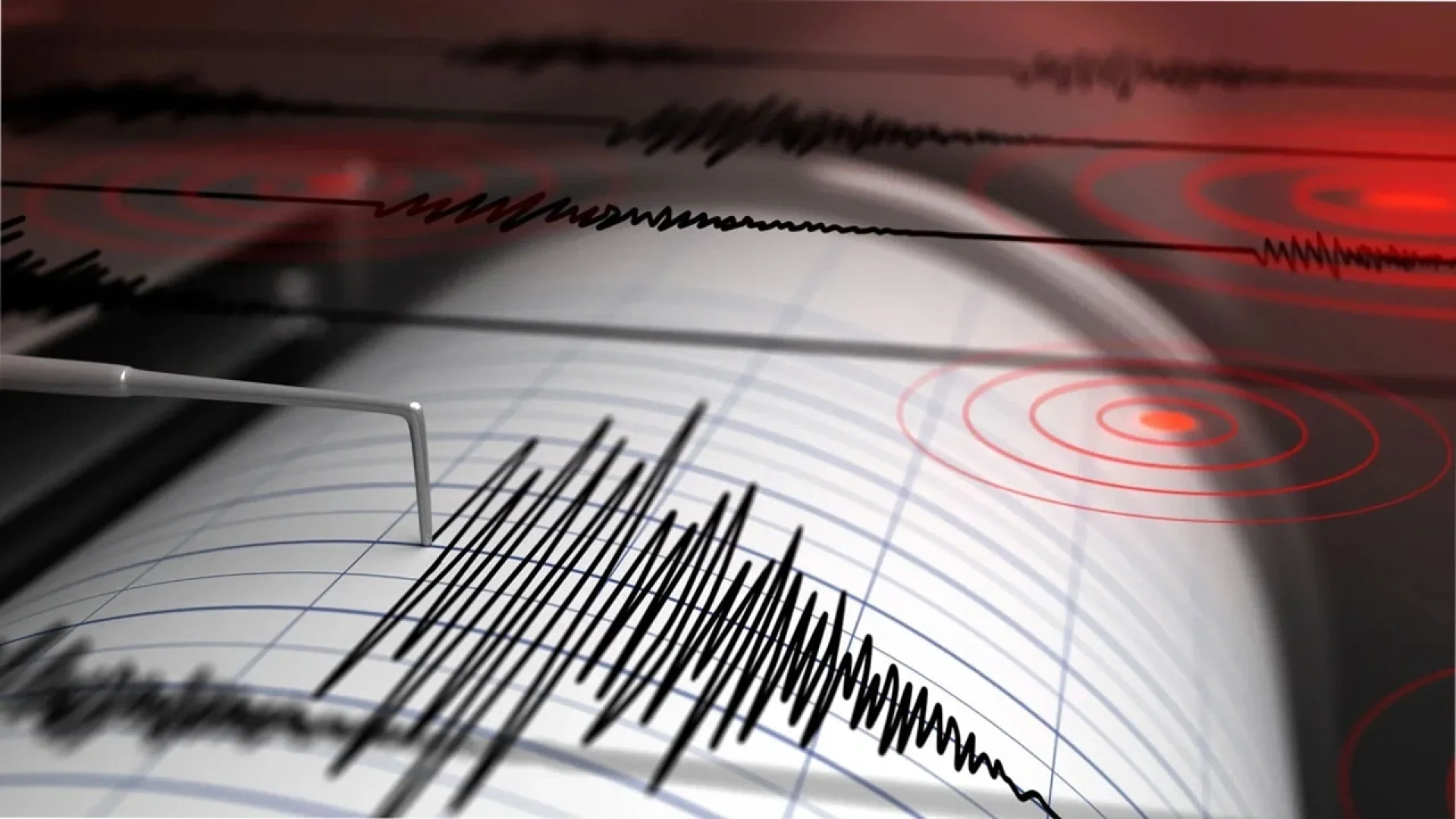
Earthquakes are one of the most destructive natural disasters our planet experiences, posing a serious threat to human life, infrastructure, and the economy. Therefore, early warning systems developed to predict earthquakes and mitigate their effects stand out as a significant solution offered by modern technology. These systems have the potential to save lives by sending alerts to people and institutions in the affected area just moments before the seismic waves occur.
The greatest advantage of these systems is their ability to help protect people from earthquakes. When an alert is received, individuals are directed to safe areas, emergency preparations are made, and critical infrastructure systems can be shut down.
Early warning systems analyze the speed and direction of seismic waves using seismic sensors and advanced algorithms. When an earthquake occurs, P waves (primary waves) travel faster than S waves (secondary waves). Early warning systems detect these P waves and send alerts to areas where S waves will arrive. This allows people to be informed seconds or sometimes minutes in advance.
How Early Warning Systems Work
The working principle of these systems is based on monitoring seismic activities. Specially placed seismometers continuously monitor ground movements and collect data. This collected data is analyzed in a central system to determine the magnitude and location of a potential earthquake. The warning time varies depending on the distance to the earthquake's epicenter.
Applications of Early Warning Systems
- Implementing safety measures in schools and workplaces
- Stopping trains and vehicles in transportation systems
- Preparing hospitals for emergencies
- Protecting infrastructure systems and preventing damage
In conclusion, early warning systems for earthquakes are among the most crucial measures that can be taken against natural disasters. The effective operation of these systems can save lives and minimize the devastating effects of earthquakes. In the future, further development and widespread adoption of such systems are critical for making communities more resilient to disasters.
Fundamental Principles of Early Warning Systems
Earthquakes are among the most destructive natural disasters on the planet. Therefore, early warning systems have been developed to inform people before earthquakes occur. Early warning systems are based on the detection of seismic waves and the assessment of their speed. The P waves (primary waves) that occur at the moment of an earthquake move faster than the S waves (secondary waves), which are the destructive waves. This characteristic enables the fundamental operation of the system; when P waves are detected, the system immediately sends out a warning.
- Rapid data analysis: The speed and intensity of seismic waves are analyzed in real-time to minimize warning time.
- Warning network: Fast communication is established between different sensors and stations, providing safety over a wider area.
- Real-time monitoring: Continuous monitoring is conducted during earthquakes, allowing for real-time status updates.
These systems are crucial, especially in densely populated areas. For example, Japan effectively utilizes such systems to help keep people safe during earthquakes. Warning systems not only affect individuals but also public services. Schools, hospitals, and transportation systems have the opportunity to prepare before being impacted by earthquakes. Therefore, these systems not only prevent loss of life but also minimize economic losses.
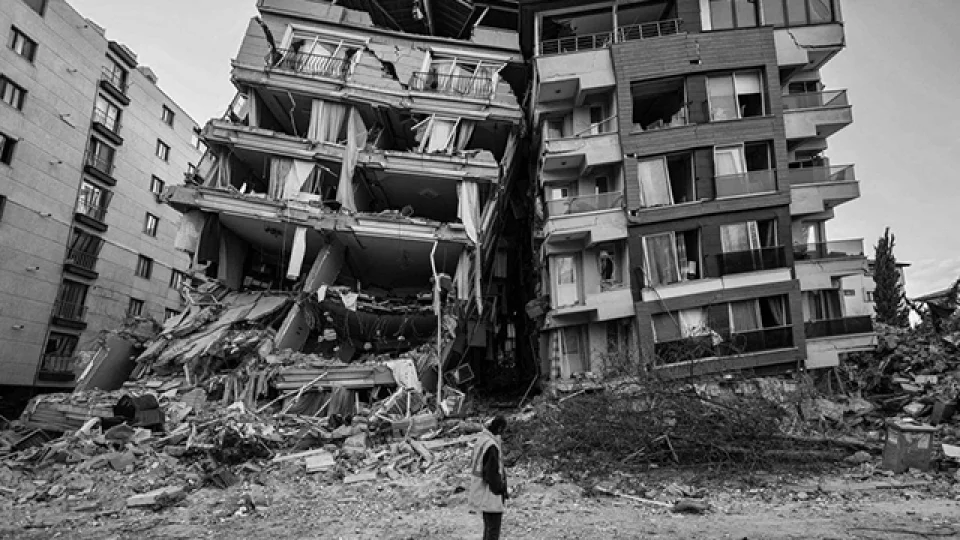
Advantages of Early Warning Systems for Earthquakes
Earthquake early warning systems are technological solutions developed to prevent harm to people and infrastructure by detecting seismic activities. These systems use sensors that detect underground movements to issue warnings just seconds before an earthquake occurs. This brief period is crucial for people to seek safety or for critical systems to be shut down.
Moreover, early warning systems not only enhance individual safety but also help protect infrastructure. For instance, thanks to these systems, trains, power plants, and other critical infrastructures can be automatically stopped before the effects of the earthquake begin. This way, significant material losses can be prevented. Therefore, integrating early warning systems into earthquake preparedness processes is extremely important.
How Does It Work? The Mechanism of Early Warning Systems
Earthquake early warning systems are technologies designed to protect people and infrastructure by detecting seismic activities before they occur. These systems work by sensing the seismic waves that trigger the formation of an earthquake. Information such as the epicenter and magnitude of the earthquake is quickly analyzed through seismometers. This allows for warnings to be issued seconds in advance in certain areas, depending on the intensity of the earthquake.
The mechanism of the early warning system is fundamentally based on the detection of underground movements and the rapid processing of this data. Seismometers continuously monitor ground movements and transmit this data to a control center. The control center analyzes the obtained data to assess the likelihood of an earthquake. If an earthquake is deemed likely to occur, the system sends warning signals to inform people and critical infrastructure. This process typically happens within a few seconds, during which time people can be directed to safe areas.
- Protecting human life.
- Preventing damage to critical infrastructure.
- Increasing public awareness and preparedness for earthquakes.
In conclusion, earthquake early warning systems are vital for both people and infrastructure. These systems are equipped with advanced technology and continuously work to minimize the potential impacts of earthquakes. The effective implementation of early warning systems plays a significant role in reducing the damage caused by earthquakes.
Early Warning Systems Used Worldwide
Earthquakes are natural disasters that can cause significant destruction worldwide. Therefore, early warning systems for earthquakes are critically important for saving lives and reducing material losses. Various early warning systems are used in different countries around the world. These systems detect seismic waves and provide rapid alerts to people and infrastructure based on this information.
In many countries, early warning systems operate in an integrated manner with emergency management and public health organizations. The effectiveness of these systems depends not only on technological infrastructure but also on societal awareness. How people respond to these alerts is key to success. Therefore, training and drills are vital for enhancing the efficiency of early warning systems.
- Chilean Early Warning System: Chile is one of the most prepared countries for earthquakes and has developed a comprehensive early warning system.
- Mexico City Seismic Alert System: Mexico uses an early warning system to protect its large population in the capital. This system alerts the public to minimize the effects of earthquakes.
In conclusion, early warning systems for earthquakes play an important role in enhancing people's safety through the capabilities provided by technology. For these systems to operate effectively, both the establishment of technical infrastructure and the awareness of the community are necessary. This way, when earthquakes occur, losses can be minimized.
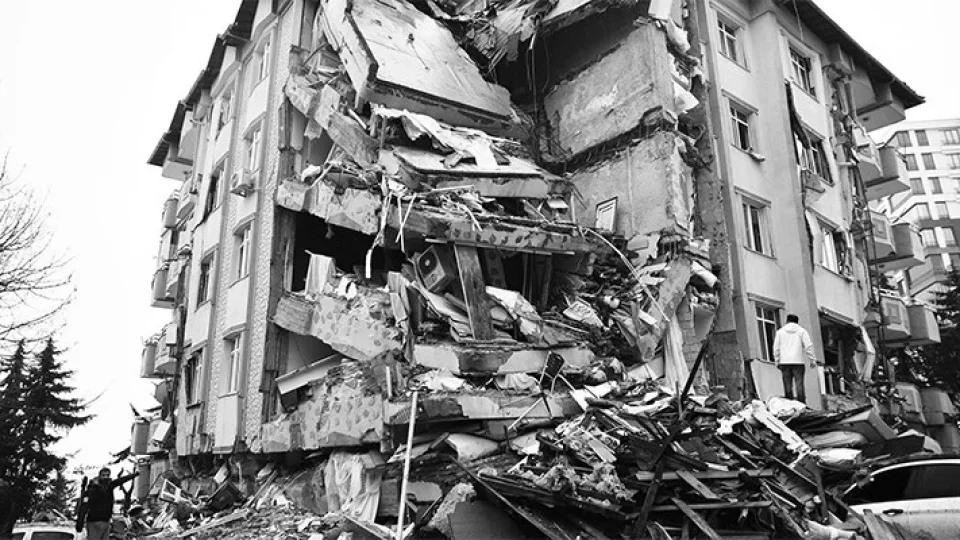
The Future and Development of Early Warning Systems
Early warning systems are technologies developed to reduce the impacts of earthquakes and enhance the safety of individuals. These systems provide alerts just moments before an earthquake occurs (usually within seconds), allowing people to move to a safe location or enabling critical systems to shut down automatically. With advancing technology, the accuracy and effectiveness of these systems are also increasing. Today, many countries around the world are integrating such systems to minimize earthquake risk.
The key components of an early warning system include seismometers, data processing software, and communication networks. Seismometers detect ground movements and transmit this information to a central system in real-time. Data processing software analyzes the received data to make predictions about earthquake occurrences. Finally, communication networks ensure that these alerts reach the public and authorities quickly.
In the future, early warning systems are expected to further develop. Particularly with the integration of artificial intelligence and machine learning technologies, these systems will be able to make faster and more accurate predictions. Additionally, by utilizing modern communication tools such as mobile applications and social media, alerts can reach a wider audience. Such innovations are crucial for reducing the risks associated with earthquakes and making communities more resilient.
Early warning systems are not only a technological innovation but also critically important for the safety of communities. The continuous development and widespread implementation of these systems will be a significant step in combating earthquakes. Scientists and engineers are working to create a safer living environment in the future through ongoing research in this field.