What Are the Best Earthquake Preparedness Tips?
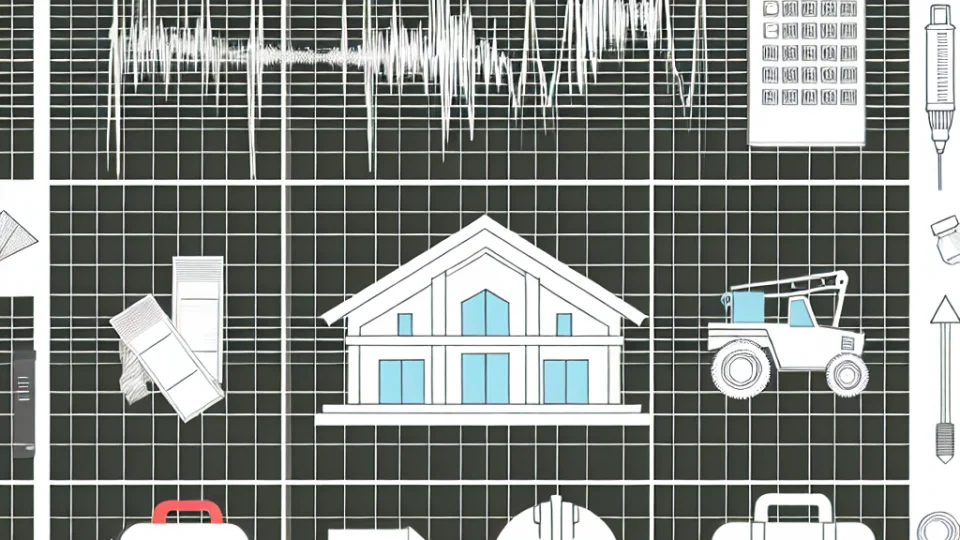
One of the most effective ways to prepare for an earthquake is to create an emergency kit that includes essential supplies. This kit should contain items such as non-perishable food, water, a flashlight, batteries, a first aid kit, and any necessary medications. It's important to ensure that your supplies can sustain your family for at least 72 hours, as emergency services may take time to reach your area following a seismic event. Regularly check and update your kit to ensure that everything is current and usable.
In addition to having an emergency kit, developing a family communication plan is crucial. This plan should outline how family members will contact each other and where they will meet in case of an earthquake. Designate a safe meeting point that is away from potential hazards like buildings or trees. Ensure that all family members, including children, understand the plan and practice it regularly. This preparedness step can significantly reduce panic and confusion during an actual event.
Another important tip is to secure heavy furniture and appliances to the walls of your home. Items such as bookshelves, cabinets, and large appliances can become dangerous projectiles during an earthquake if they are not anchored properly. Use brackets, straps, or other securing methods to stabilize these items. Additionally, keep heavy items on lower shelves to minimize the risk of injury from falling objects. This simple precaution can make a significant difference in your safety during a quake.
Finally, it is essential to educate yourself and your family about earthquake safety protocols. This includes knowing how to 'Drop, Cover, and Hold On' during the shaking. Practice these drills regularly to ensure that everyone knows what to do when an earthquake strikes. Furthermore, consider taking a first aid and CPR course to be prepared for any injuries that may occur. Knowledge and training can empower you to respond effectively in emergencies and help others in need.
How to Create an Earthquake Emergency Plan?
Creating an effective earthquake emergency plan is crucial for ensuring the safety of you and your loved ones. Start by identifying safe spots in each room of your home, such as under sturdy furniture or against interior walls, away from windows. It’s essential to ensure that everyone in your household knows these safe locations. Additionally, practice 'Drop, Cover, and Hold On' drills regularly so that everyone understands the correct actions to take during an earthquake. This preparation can greatly reduce panic and confusion when an actual earthquake occurs.
Next, establish a communication plan that outlines how family members will connect with each other during an emergency. Choose a friend or relative outside of your immediate area as a point of contact. This will help ensure that everyone has a way to check in, especially if local phone lines are busy or down. Make sure that all family members have access to emergency contact information and understand how to use it. Regularly updating this information is also important to account for any changes in contact details.
An essential part of your earthquake emergency plan should include preparing an emergency kit. This kit should contain food, water, flashlights, batteries, a first aid kit, medications, and any other necessities that your family might need for at least 72 hours. Store this kit in an easily accessible location and ensure that everyone in your household knows where it is. Regularly check and replenish the supplies in your emergency kit to ensure they are fresh and ready to use when needed.
Finally, it’s imperative to consider the specific needs of each family member when developing your earthquake emergency plan. For example, if there are young children, elderly individuals, or pets in the household, make special arrangements to cater to their needs. Discuss the plan openly with all family members to ensure everyone is informed and comfortable with the procedures. This collaborative approach can foster a sense of security and preparedness, making it easier for everyone to act swiftly and effectively during an emergency.
What Supplies Should You Include in Your Earthquake Kit?
Creating an effective earthquake kit is crucial for your safety during seismic events. First and foremost, you should include enough non-perishable food items to last at least three days. This might consist of canned goods, dried fruits, and energy bars. In addition to food, you should also pack plenty of water—at least one gallon per person per day. This ensures that you stay hydrated, which is especially important in stressful situations. Remember to check expiration dates regularly and replace items as necessary to keep your kit up to date.
Another important component of your earthquake kit is a first aid kit. This should include essential medical supplies such as bandages, antiseptics, and any necessary prescription medications. You might also want to add items like tweezers, scissors, and a thermometer to handle various injuries that could occur. In addition to these supplies, consider including a manual or guidebook on first aid to assist you in managing emergencies effectively. Keeping your first aid kit well-stocked can make a significant difference during an earthquake.
It is also wise to include tools and equipment that can assist you in an emergency. A multi-tool or Swiss army knife can be invaluable for various tasks, from opening cans to making repairs. Additionally, a flashlight with extra batteries will be essential if the power goes out. Consider including a whistle to signal for help, as well as a portable phone charger to keep your communication devices powered. These tools can enhance your preparedness and increase your chances of staying safe during and after an earthquake.
Lastly, don't forget to personalize your earthquake kit based on your family's specific needs. This may include items such as baby supplies if you have young children, pet food for your animals, or even documents like identification, insurance papers, and emergency contacts. It's important to remember that each family is unique, and customizing your kit ensures that you will be equipped to handle any situation that arises during an earthquake. Regularly review and update your kit to ensure it meets your family's evolving needs.
How to Secure Your Home Against Earthquakes?
Securing your home against earthquakes is crucial for ensuring the safety of you and your loved ones. One of the first steps is to inspect your home’s foundation and structure. Make sure that your foundation is solid and not prone to shifting during seismic activity. Additionally, reinforcing walls with plywood sheathing can provide extra support. This not only protects your home but also minimizes the risk of injury from falling debris. The more secure your home is, the better prepared you will be for any potential earthquake.
Another important aspect of earthquake preparedness is to secure heavy furniture and appliances. Items such as bookshelves, refrigerators, and large televisions should be anchored to the walls to prevent them from tipping over during a quake. You can use brackets or straps specifically designed for this purpose. This simple step can greatly reduce the risk of injury and damage within your home. Remember, even small earthquakes can cause large items to move, so it’s worth taking the time to secure them properly.
In addition to securing furniture, it’s essential to identify safe spots within your home. These are areas where you can take cover during an earthquake, such as under sturdy tables or against inner walls away from windows. Make sure all family members know these safe spots and practice drills to ensure everyone knows what to do when an earthquake strikes. This preparedness can make a significant difference in your ability to respond effectively during an actual event.
Finally, consider investing in earthquake insurance to protect your home and belongings in the event of a disaster. Standard homeowner's insurance often does not cover earthquake damage, so it’s wise to look into additional policies. By securing your home physically and financially, you are taking comprehensive steps towards protecting your family and your property from the devastating effects of earthquakes.
What to Do During an Earthquake for Safety?
During an earthquake, the most critical action you can take is to drop, cover, and hold on. This method is designed to protect you from falling debris and other hazards. When the ground begins to shake, immediately drop down on your hands and knees. This position not only prevents you from being knocked over but also allows you to move if necessary. Next, find a sturdy piece of furniture, such as a table or desk, to cover yourself from potential falling objects. If no cover is available, protect your head and neck with your arms.
- Avoid doorways unless you know they are the safest place to be.
- Stay away from windows, glass, and heavy objects that may fall.
- If you are outside, move to an open area away from buildings, trees, and utility wires.
- If you are in a vehicle, pull over and stop in a safe location until the shaking stops.
If you find yourself in bed during an earthquake, remain there and protect your head and neck with a pillow. This is important because trying to move during shaking can lead to injuries from falling debris. Once the shaking stops, assess your surroundings and evacuate if necessary, but be cautious of potential hazards. If you are in a crowded place, avoid rushing for the exits, as this can lead to injuries. Instead, stay put and follow the drop, cover, and hold on procedure.
Once the shaking stops, it's essential to remain calm and evaluate your situation. Check yourself and others for injuries and, if safe, move to a designated meeting area. Be prepared for aftershocks, which are common following a significant quake. It's advisable to have a plan for communication and meeting location with your family or coworkers in advance. In the aftermath, stay tuned to emergency alerts and updates, as conditions can change rapidly. Preparing for these situations can significantly enhance your safety during an earthquake.
How to Stay Safe After an Earthquake Occurs?
After an earthquake, the situation can be chaotic and overwhelming. It's crucial to remain calm and assess your surroundings before taking any action. One of the first steps is to check yourself and others for injuries. If anyone is seriously hurt, call for emergency help if possible. Pay attention to your environment, as aftershocks can occur anytime after the initial quake. These smaller tremors can lead to further injuries or damage, so it's essential to stay alert and ready to move if necessary.
Once you have evaluated your immediate safety, begin to inspect your surroundings for any hazards. Look for fallen objects, broken glass, or structural damage. If you're in a building, exit cautiously, avoiding any areas that appear unstable. Being aware of your surroundings can prevent further injuries. If you notice any gas leaks or strong smells, evacuate the area immediately and report it to the authorities. Remember, safety is your priority, and taking quick action can make a significant difference.
- Stay away from windows and heavy furniture.
- Move to open areas if outside.
- Do not use matches or lighters near gas leaks.
- Listen to emergency services for updates.
In the aftermath of an earthquake, communication may be disrupted. However, it is vital to reach out to family members and check on their well-being. Texting may be more effective than calling due to network congestion. Establish a meeting point if you and your family are separated; this helps ensure everyone's safety. Also, keep your phone charged and use it wisely, as you may need it for emergency updates or to reach out for help. Staying informed can significantly enhance your safety.
What Are the Most Earthquake-Prone Areas in the World?
Earthquakes can occur anywhere, but certain regions are particularly vulnerable due to their geological features. The Pacific Ring of Fire is a major area of seismic activity, encircling the Pacific Ocean. Countries like Japan, Indonesia, and the west coast of the United States experience frequent tremors due to their positions along tectonic plate boundaries. The movement of these plates not only causes earthquakes but also volcanic activity, making this region one of the most hazardous globally.
In addition to the Pacific Ring of Fire, the Himalayan region is another hotspot for seismic events. Countries such as Nepal and India face significant risks due to the collision of the Indian and Eurasian tectonic plates. This geological interaction leads to the uplift of the Himalayas and creates stress along fault lines, resulting in devastating earthquakes. The 2015 Gorkha earthquake in Nepal is a prime example of the destruction that can occur in this area, highlighting the urgent need for earthquake preparedness.
Another region to consider is the Middle East, particularly nations like Iran and Turkey, which are also situated on major fault lines. The Arabian plate's movement against the Eurasian plate causes significant tectonic stress, leading to frequent earthquakes. The historical records indicate that these regions have faced multiple catastrophic seismic events, which poses a continuous threat to the local populations and infrastructure. Understanding the risks in these areas is crucial for effective disaster management and safety planning.
Finally, the eastern coast of the United States may not be as well known for earthquakes as the aforementioned regions, but it is not exempt from seismic activity. The New Madrid Seismic Zone and the Charleston Seismic Zone are two areas where significant earthquakes have occurred in the past. Although less frequent, the potential for a high-magnitude earthquake exists, reminding residents that preparedness is essential, even in regions traditionally considered low-risk.