What Are the Characteristics of Earthquake-Resistant Structures?

Earthquake-resistant structures are buildings designed to withstand ground movements, constructed using robust and secure building techniques. These types of structures are typically built with flexible and durable materials. Materials such as reinforced concrete, steel, and wood are preferred for their ability to absorb the effects of seismic waves. The use of these materials reduces the impact of earthquakes on the structure, thereby enhancing safety for lives and property.
Another important feature of earthquake-resistant structures is their foundation design. Foundations should be deep and wide to minimize the effects of earthquakes. This way, the weight of the structure is better distributed with the ground. Additionally, special techniques used in foundation design make the structure more resilient to tremors. For example, enlarged foundation systems can prevent ground sliding.
Moreover, earthquake-resistant structures are built using seismic isolators in high-rise buildings. These isolators significantly reduce the mobility between the building's foundation and superstructure, thereby greatly diminishing the effects of earthquakes. Furthermore, the design of these buildings includes special support systems that balance the weight of the structure. These systems enhance the building's resilience against tremors.
Finally, important criteria must also be considered during the planning phase of earthquake-resistant structures. The soil composition of the area where the structure is located, the level of seismic activity, and local climate conditions are factors that need to be taken into account during the construction process. All these elements are fundamental factors that increase the earthquake resistance of the structure. Therefore, the design and construction of earthquake-resistant structures is one of the most significant fields in engineering science.
How to Manage Rescue Operations After an Earthquake?

Rescue operations after an earthquake are critical processes initiated immediately following the event, aimed at saving survivors. During this process, various authorized institutions and organizations come together. National and international rescue teams are dispatched to the area where the earthquake occurred. These teams are equipped with the necessary tools and expertise for search and rescue operations. Additionally, it is crucial to inform the local population about how they can assist during this process. The effectiveness of rescue operations depends on their prompt initiation and coordinated execution.
The management of rescue operations is typically carried out by local governments and disaster management centers. These centers ensure the coordination of rescue teams, allowing various resources to be used in the most efficient manner. During the operation, priority areas are identified. For instance, search and rescue efforts are prioritized in regions where buildings have collapsed, while providing healthcare services is also of vital importance. Furthermore, maintaining open communication systems and ensuring the flow of information play a critical role in the successful execution of operations.
The methods used in rescue operations vary depending on the situation and the extent of the destruction. Advanced technology can be employed, utilizing equipment such as drones and underground search devices to reach individuals trapped under collapsed buildings. These technological tools enable rescue teams to reach more people in a shorter amount of time. Additionally, psychological support is an important aspect of the rescue process. Survivors need to be supported by experts to cope with post-traumatic stress disorder.
Finally, rescue operations are not merely about physical intervention. Efforts must also be made in areas such as social services, healthcare, and psychological support to rebuild and support the community. This process not only helps survivors return to normalcy after the earthquake but also contributes to strengthening social solidarity. Successfully managing rescue operations not only saves lives but also significantly contributes to the community's rebuilding process.
In Which Countries is Earthquake Insurance Common?

Earthquake insurance provides critical protection, especially for people living in areas with a high risk of earthquakes. Turkey is one of the most well-known countries in this regard. In Turkey, especially after the 1999 Izmit earthquake, awareness of earthquake insurance has increased. The implementation of mandatory earthquake insurance has led many citizens to opt for such policies. Additionally, attractive policy options offered by insurance companies make it easier for people to choose this service.
Moreover, Japan serves as a notable example in terms of earthquake insurance. Since Japan is a country that frequently experiences earthquakes, earthquake insurance is quite common. The insurance policies offered in the country ensure that damages after an earthquake are compensated quickly. In Japan, government-supported insurance programs are also available, contributing to the further spread of earthquake insurance.
In the United States, particularly in California, obtaining earthquake insurance is quite common. California, being a region that frequently experiences major earthquakes, has insurance companies offering various policies in this area. The state also organizes various campaigns to raise awareness about earthquake insurance. Therefore, homeowners in California are turning to insurance policies to obtain better financial protection against earthquakes.
Additionally, countries like Italy are starting to see an increase in earthquake insurance. Italy, known for its historical buildings and dense population, must be prepared for earthquakes. In the country, especially in areas with a high risk of earthquakes, citizens are encouraged to obtain insurance. The Italian government is contributing to raising public awareness on this issue by offering various incentives to reduce the costs of earthquake insurance policies.
What Are Government Policies for Earthquake Preparedness?

Government policies for earthquake preparedness are one of the key elements that enhance a country's resilience to disasters. These policies primarily include risk analysis and assessment processes. Governments implement various regulations to ensure the safety of structures in earthquake-prone areas. In this context, steps are taken to raise construction standards, provide financial support for the reinforcement of existing buildings, and increase public awareness. Such policies aim to minimize potential loss of life and property in the aftermath of an earthquake.
Governments strive to raise public awareness by organizing training programs on earthquake preparedness. These programs cover topics such as what to do during an earthquake, identifying safe areas, and creating emergency plans. Especially the training conducted in schools and public institutions creates awareness throughout the community. Additionally, regularly repeating such training helps keep the public informed, enabling them to take the right steps during a potential earthquake.
Moreover, government emergency management plans are also a crucial part of earthquake preparedness. These plans encompass the necessary processes for effectively conducting rescue operations after an earthquake. Governments work in collaboration with local authorities to train emergency response teams and establish the required infrastructure. This way, a rapid response after an earthquake is ensured, aiming to prevent loss of life.
Finally, government policies also include financial incentives and insurance systems. Tax reductions or subsidies may be provided for the construction of earthquake-resistant buildings. Additionally, practices such as mandatory earthquake insurance help individuals and businesses reduce their risks. Such incentives contribute to directing both individuals and the private sector towards earthquake preparedness, fostering a culture of safety within the community.
What is the Role of Technology in Earthquake Preparedness?

Technology plays a significant role in earthquake preparedness processes. In particular, earthquake prediction systems and early warning systems are among the most advanced technologies in this field. These systems monitor underground seismic activities and can provide people with advance information about potential earthquakes. Thus, individuals have the opportunity to be prepared for earthquakes and minimize the risk of loss of life and property.
Additionally, technological advancements in structural engineering greatly contribute to the design of earthquake-resistant structures. New generation materials and engineering techniques ensure that buildings sustain less damage during an earthquake, thereby enhancing the safety of individuals. For example, seismic isolators and reinforcement systems are used to protect structures from the effects of earthquakes.
Mobile applications and earthquake maps accessible via the internet are also of great importance for earthquake preparedness. Such applications provide users with real-time information about the magnitude, depth, and location of earthquakes, enabling them to quickly access this information. As a result, users can monitor seismic activities occurring around them and move safely.
In conclusion, technology is becoming increasingly important in earthquake preparedness every day. Smart city applications and data analytics play a critical role in reducing and managing earthquake risk. These systems are utilized by both the public and private sectors, supporting the goal of creating a more resilient society against earthquakes.
Which Countries Have the Lowest Earthquake Risk?

Countries with the lowest earthquake risk are generally located in areas with low tectonic activity. These countries do not face earthquake threats due to the distance of underground fault lines and their geological structures. For example, Norway is one of these countries. A large part of the country is situated in the stable areas of the Scandinavian plate, which significantly prevents the occurrence of earthquakes.
Another example is Denmark. The geological structure of Denmark is quite stable, making the likelihood of experiencing major earthquakes very low. The country has a landscape that is largely flat and located north of the Alps. This situation is an important factor that reduces Denmark's earthquake risk.
Additionally, Finland is also known for its low earthquake risk. Its location in the north, on the Fennoscandian shield, contributes to low seismic activity. Furthermore, Finland's underground structure minimizes seismic activities, enhancing the safety of the local population. This also reduces the need for earthquake preparedness.
Finally, Ireland is another country with a low earthquake risk. The very low occurrence of tectonic movements in most of the country results in rare earthquakes. Due to its location in the west of Europe and its stable underground structure, the risk of earthquakes among natural disasters is quite low in Ireland. Therefore, Ireland is listed among the countries with low earthquake risk.
How Do Earthquake Training and Awareness Programs Work?
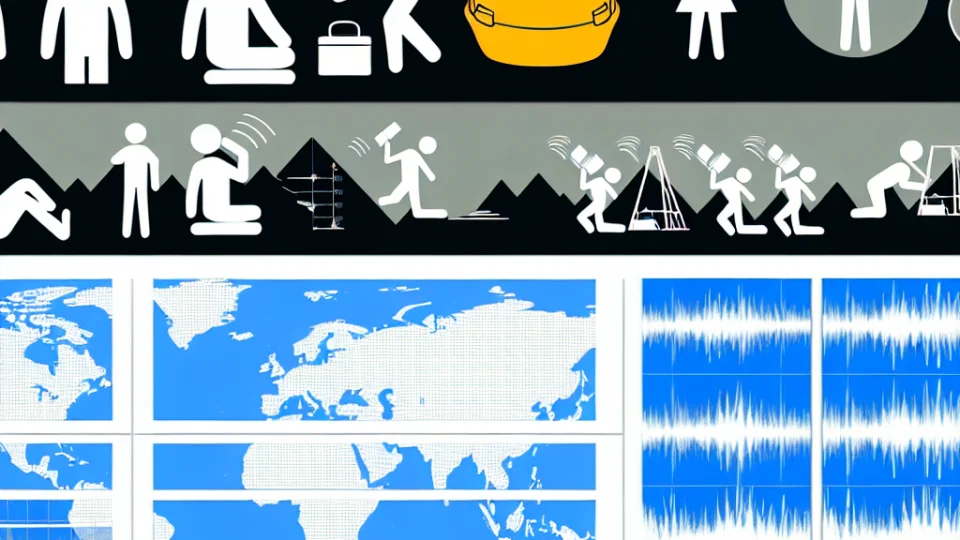
Earthquake training and awareness programs are designed to ensure that communities are prepared for earthquakes. These programs help individuals and communities gain knowledge about how to behave during an earthquake. Especially implemented in schools, these trainings aim to instill earthquake awareness in children from an early age. Such training is not limited to theoretical knowledge but is also supported by practical drills. This way, participants can experience how to act during a real earthquake.
Awareness programs are typically organized by local governments and non-governmental organizations. These programs are conducted in the form of public seminars, workshops, and informational events. These activities aim to enhance social solidarity by providing participants with information on what to do before, during, and after an earthquake. Additionally, through these programs, myths and misinformation related to earthquakes are corrected, creating a stronger knowledge base within the community.
Training programs are usually delivered by expert trainers and are supported by up-to-date data on the subject. This allows participants to keep up with the latest developments and gain knowledge about earthquakes occurring worldwide. Furthermore, the information provided by trainers is reinforced with practical suggestions aimed at enhancing participants' individual safety. Important topics include identifying safe areas in the home during an earthquake and preparing an emergency kit.
In conclusion, earthquake training and awareness programs are an important tool that helps communities become more resilient to earthquakes. These programs not only assist individuals in protecting themselves and their families but also enhance social solidarity. For the trainings to be effective, they need to be continuously updated and reach all segments of society. Thus, a more conscious community can be created to cope with earthquakes.